

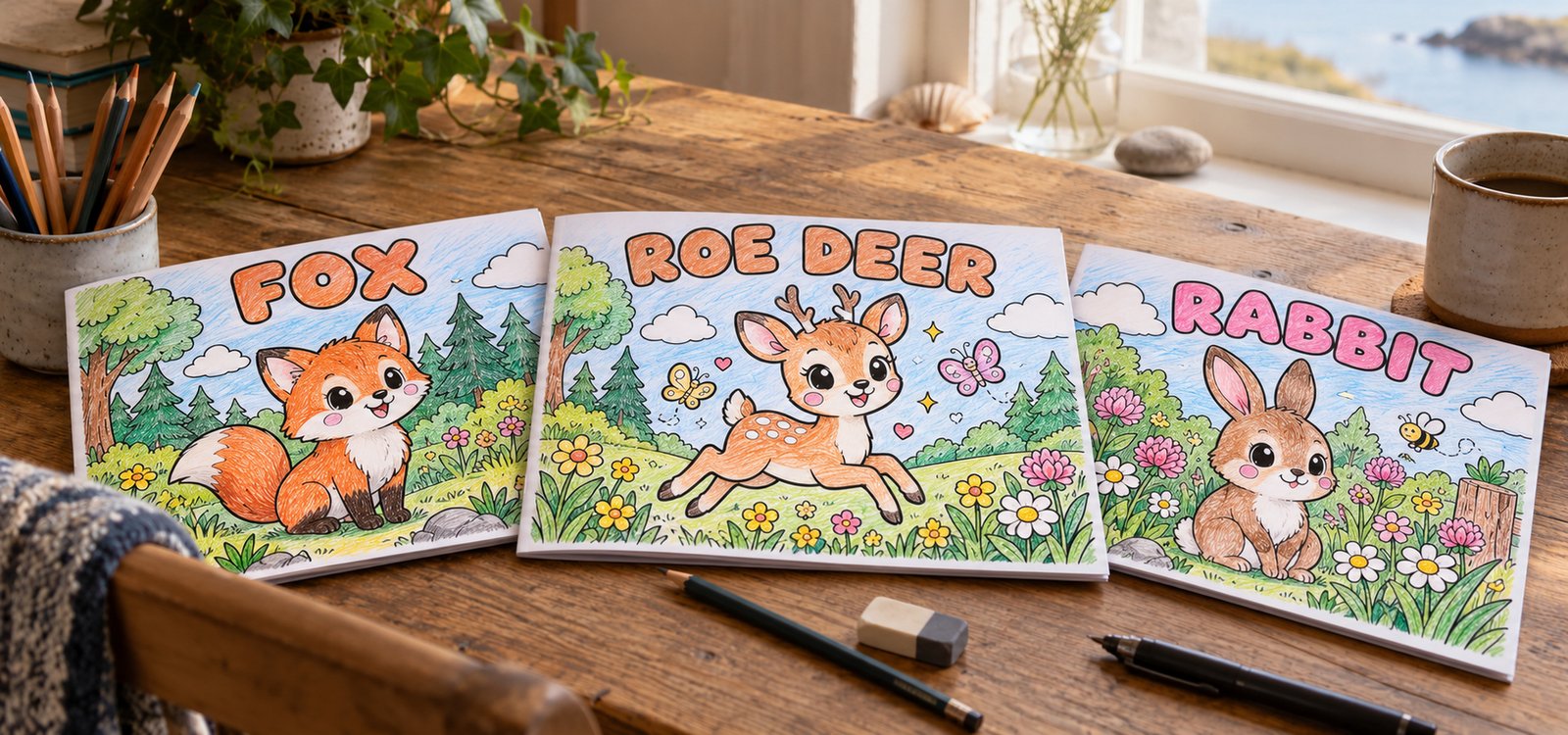
How a myColorAtlas is made: the format, the paper, what's inside and the languages you can read it in.
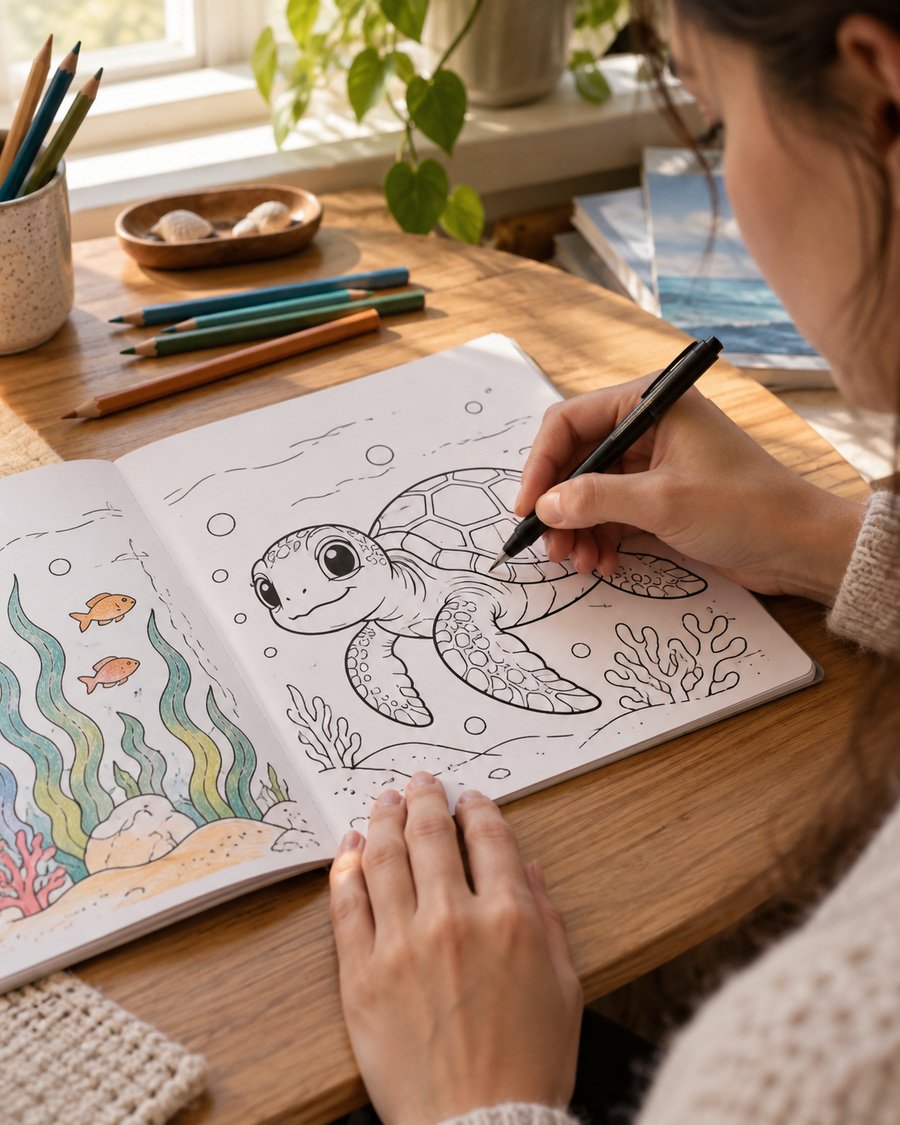
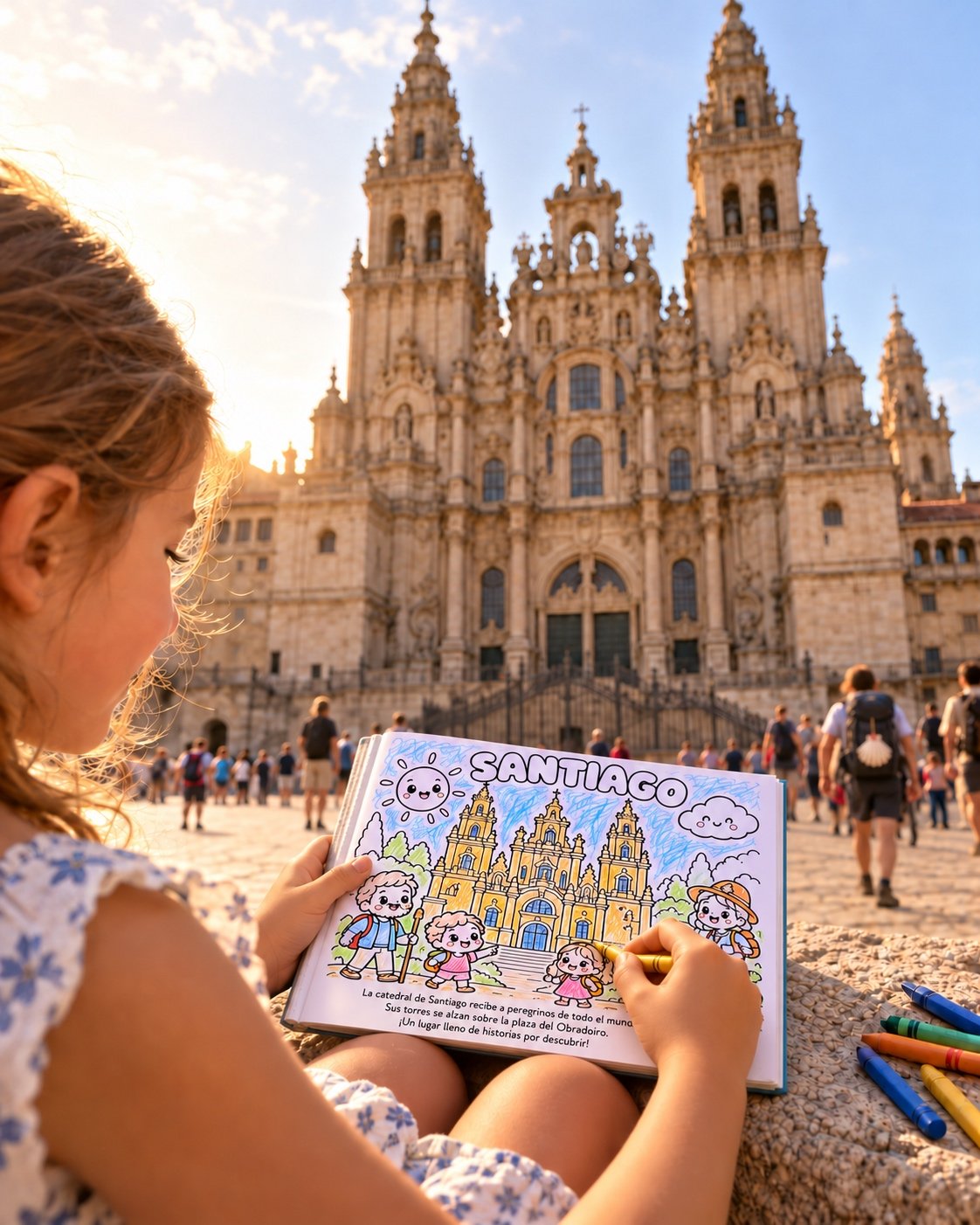
The difference is that everything inside it exists. The animal the child colours lives there; the tower they paint can be seen from the window. Every plate has its caption, short and written so an eight-year-old follows it: what it is, where it is, why it matters.
That's why it gets kept. A book of drawings is finished and thrown away; an atlas of the place where you spent a week stays on the shelf and gets shown to people.
One species per page, with its name and where it lives. The ones from there, not from any old book.
Monuments, streets, viewpoints. Places you can walk to after colouring them in.
The history of the place told in two sentences a page, without dates nobody remembers.
What gets celebrated and what gets eaten. Usually the part that goes down best at home.
The drawings don't change; the words do. So a German family and an Italian one take home the same atlas of the same city, each in their own language.
In the collection you can leaf through any title from start to finish, with no sign-up and nothing to ask for.